
Global Polyethylene Market Analysis (2010 to 2040)
Polyethylene’s outlook is shaped by shifts in sustainability mandates, recycling innovations, and evolving feedstock economics that continue to redefine global trade flows and competitive dynamics.

Sort by: Relevance | Date
SEARCH
Polyethylene’s outlook is shaped by shifts in sustainability mandates, recycling innovations, and evolving feedstock economics that continue to redefine global trade flows and competitive dynamics.

This issue examines how weak demand and ample supply pressured olefins and polymers prices despite firmer crude markets. Ethylene, propylene, PE, PP and MEG prices weakened, while margins remained mixed across regions and routes.

This issue examines how ongoing geopolitical conflicts and volatile supply chains are impacting global energy, resources, and chemical markets, highlighting sectoral resilience, major price shifts, demand drivers, and evolving trade and investment patterns.

Often overlooked as a byproduct, sulfur is a strategic commodity linking refining, fertilizers, mining, and battery materials. Explores 2026 market volatility, North America’s role in global supply, and implications for food security, trade flows, and supply‑chain resilience.

This issue examines how falling crude, gas, coal and naphtha costs interacted with outages and weak demand to produce mixed margin outcomes across the value chain. Olefins margins diverged, while PE, PP and MEG margins mostly softened across regions.

This issue examines how supply shocks are disrupting energy and petrochemical markets, driving price volatility, shifting trade flows, and stressing supply chains, with implications for refining, chemicals, energy security, and industrial market dynamics.

This issue examines how supply tightness and Middle East disruptions sustained higher crude, naphtha, and olefins prices, lifting margins across ethylene, propylene, PE, MEG, and PP, with some variability across regions and production routes.

This issue explores how the Middle East conflict is driving supply disruptions, higher prices, and shifting trade flows across energy and petrochemical markets. It highlights impacts on refining, chemicals, logistics, and energy security, alongside evolving transition and investment dynamics.
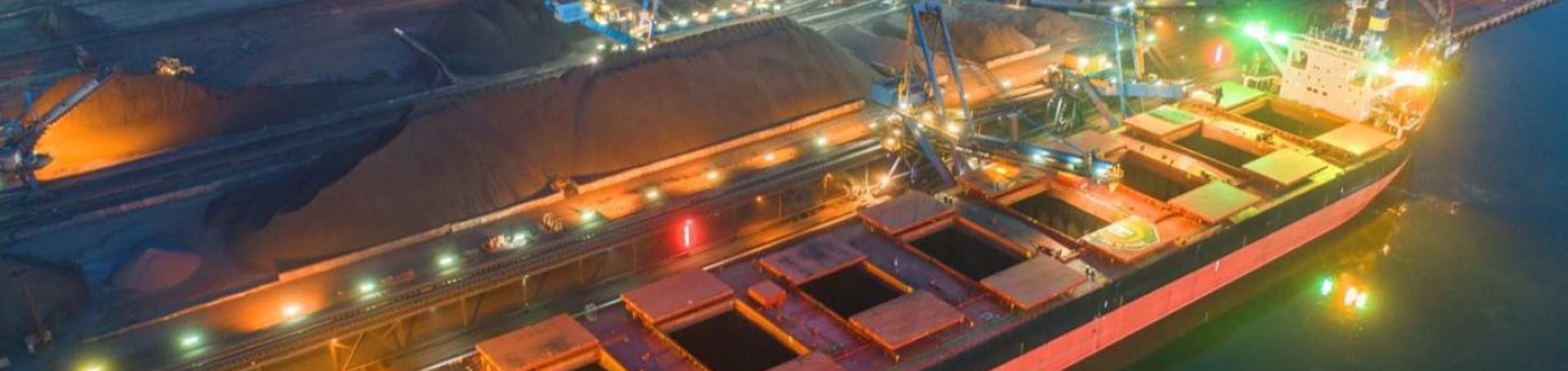
China’s trade position is evolving—not collapsing—by reducing reliance on key inputs while expanding exports of semi‑finished and finished goods. Highlights shifting import dependencies across energy, minerals, and chemicals, and what it means for resource suppliers.

This issue examines how severe Middle East disruptions triggered record crude and feedstock prices, driving sharp olefins and polymers price increases while creating uneven margin outcomes across regions and production routes.